Lee Green garden maintenance tips for terraces
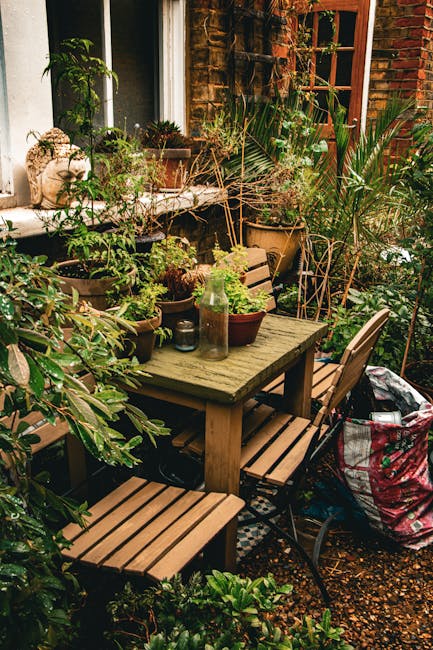
Terraces look brilliant when they're well kept, but they can turn messy fast. A few windy days, a spell of rain, or one neglected planter is often enough to make the whole space feel tired. That's why Lee Green garden maintenance tips for terraces are so useful: they help you keep a compact outdoor area neat, healthy, and genuinely enjoyable without turning every weekend into a chore. If you live with a terrace, a roof terrace, or a narrow paved garden, the trick is not more effort. It's the right kind of effort, done consistently.
This guide covers the practical side of terrace garden care in Lee Green: what matters most, how to maintain plants and hard surfaces, what to avoid, and when it makes sense to bring in help. You'll also find a checklist, a comparison table, and a few real-world tips that come from the sort of everyday garden jobs people quietly put off until the weeds are waving at them. Let's get into it.
Why Lee Green garden maintenance tips for terraces Matters
Terraces are different from bigger gardens. They have less soil, less room for error, and usually more hard landscaping around them. That means problems show up faster. A clogged drainage hole in a planter can leave roots sitting in water. A windy corner can dry out pots in a day. A bit of moss on paving can become a slip hazard before you've even noticed the colour change.
In Lee Green, where many homes make the most of compact outdoor spaces, terrace maintenance is less about creating a sprawling garden and more about keeping a manageable system in balance. You're working with containers, rails, decking, paving, small lawns in some cases, and often shared boundaries. One neglected area can affect the whole look.
The other reason this matters is simple: terrace gardens are lived in. People sit out there with a morning coffee, dry washing, grow herbs, or just want the place to feel calm after a long day. A tidy terrace doesn't just look better. It works better. And frankly, a space that works better gets used more often.
Expert summary: the best terrace maintenance is steady, light-touch, and seasonal. Small jobs done regularly almost always beat a big rescue job later.
If your terrace is attached to decking or has structural features that need more than a basic tidy-up, it can also be worth looking at decking services or the broader support available through garden maintenance when planning longer-term care.
How Lee Green garden maintenance tips for terraces Works
The basic idea is to treat the terrace as a small ecosystem. Sun, wind, water, soil, containers, paving, and plant choice all interact. If one part is out of sync, the rest tends to follow. That sounds a bit grand, but in practice it just means you keep an eye on a few repeat jobs and respond before small issues become awkward ones.
Most terrace maintenance follows four strands:
- Plant care - watering, feeding, pruning, and replacing tired plants.
- Surface care - sweeping, washing down, and keeping moss or algae under control.
- Drainage and containment - checking pots, trays, gutters, and runoff so water goes where it should.
- Layout and access - making sure the space feels open, safe, and easy to enjoy rather than cluttered with half-dead pots and tools.
On a practical level, terrace maintenance often works best in short cycles. A quick weekly sweep, a fortnightly plant check, and a seasonal reset will usually keep things looking sharp. You do not need a dramatic overhaul every month. In fact, too much disturbance can make things worse, especially if plants are stressed or containers are already drying out quickly.
If you want to build the terrace into a bigger outdoor plan, services like landscape gardening and landscaping can help you think beyond simple upkeep and into how the space should function day to day. That's often where the biggest improvement comes from, to be fair.
Key Benefits and Practical Advantages
Good terrace maintenance does more than keep things tidy. It protects your investment and makes the space easier to live with.
- Better appearance: Clean paving, healthy plants, and well-arranged containers instantly make a terrace feel more intentional.
- Healthier plants: Regular feeding, correct watering, and sensible pruning reduce stress and pest problems.
- Lower risk of damage: Catching drainage issues early helps prevent water staining, rot, and cracked pots.
- Improved safety: Removing slippery growth and loose debris matters on a small surface where people walk close to edges and furniture.
- More usable space: When a terrace is uncluttered, it feels bigger. That's one of those small wins people notice immediately.
- Less expensive in the long run: Preventive maintenance is usually cheaper than replacing dead plants, damaged containers, or neglected surfaces.
There's also a quieter benefit that people sometimes overlook: a well-kept terrace feels easier on the mind. You step outside and things look ordered, not chaotic. That matters on busy weekday evenings when you only have ten minutes and a cup of tea before dinner.
Who This Is For and When It Makes Sense
These tips are useful for anyone with a terrace, but they're especially relevant if your outdoor space is compact, exposed, or used regularly. A small terrace can be forgiving in some ways, because there's less ground to maintain. But it can also be more demanding because every mistake is visible. One cracked planter, one overgrown climber, one patch of slippery algae - suddenly the whole place looks tired.
This guide makes sense if you:
- have a paved, decked, or roof terrace that needs regular upkeep
- grow plants in pots, troughs, or raised containers
- want a tidy, low-fuss outdoor area rather than a full-scale garden project
- are preparing a property for sale or rental viewings
- have limited time and need a maintenance routine that is realistic
- want to reduce avoidable problems like leaks, staining, or plant loss
It's also useful if your terrace sits above another space or near neighbouring homes. In those settings, keeping overflow, windblown debris, and water runoff under control becomes part of being considerate as well as practical. A bit of common sense goes a long way.
And if the terrace is part of a larger property refresh, it can be helpful to combine upkeep with garden clearance or a scheduled visit from lawn mowing support for any surrounding green areas.
Step-by-Step Guidance
Here's a simple terrace maintenance routine that works well for many homes in Lee Green. It's not flashy. It does the job.
1. Start with a quick visual check
Walk the whole terrace before you touch anything. Look for yellowing leaves, pots sitting in trays of water, loose paving, moss, broken stems, or furniture that's blocking light. A two-minute scan often saves you from missing the obvious. We've all done it - watered everything beautifully, then realised one planter had a drainage hole blocked by a saucer. Classic.
2. Sweep before you wash
Always sweep debris first. Leaves, grit, and petals can make a terrace look scruffy and can also trap moisture on hard surfaces. Use a stiff broom for paving and a softer one for decking or more delicate finishes. If you skip the sweep and go straight to washing, you usually just spread the mess around. Not ideal.
3. Check containers and drainage
Terrace plants live or die by drainage. Make sure pots have holes, trays are not overflowing, and water can escape freely. If a planter feels heavy and waterlogged for days after rain, that's a warning sign. Roots need air as well as moisture, especially in cooler months when evaporation is slower.
4. Water with the weather in mind
Terraces can dry out quickly in sun and wind, but overwatering is just as common. Water deeply rather than little and often, unless a plant specifically needs something else. Early morning is often best in warmer weather because it gives the plant time to absorb moisture before the day heats up. In winter, water less frequently and check the compost first rather than watering on autopilot.
5. Prune and deadhead regularly
Remove spent flowers, damaged stems, and any growth that's crowding the container. This keeps plants looking fresh and encourages healthier growth. For herbs and small shrubs, lighter pruning more often is usually better than a harsh cut once in a blue moon. If your terrace includes hedging or boundary shrubs, a dedicated service like hedge trimming can be the cleaner option when the growth becomes too much for a home tool kit.
6. Refresh the soil and feed where needed
Container plants use up nutrients faster than plants in open ground. Top up compost where it has settled, and feed according to plant type rather than throwing the same product at everything. A tomato feed is not a universal cure-all, no matter how often garden centres make it sound that way.
7. Clean the hard surfaces
Use appropriate cleaning methods for stone, concrete, tiles, or decking. The goal is to remove algae, dirt, and stains without damaging the surface. Keep water flow under control, especially on terraces with slopes or drainage channels. If a surface is becoming slippery or worn, it may need more than cleaning; it may need repair or a redesign.
8. Reassess layout and clutter
Every few weeks, ask yourself whether the terrace still feels easy to use. Are chairs blocked by pots? Is there enough room to move safely? Are containers making the space feel cramped? Sometimes a small rearrangement changes everything. Sometimes all you needed was to move one heavy planter by half a metre. Simple, but effective.
Expert Tips for Better Results
Once the basics are covered, these extra habits can make terrace maintenance noticeably easier.
- Group plants by watering need. Dry-loving herbs should not be squeezed beside moisture-hungry ferns and then watered the same way. It makes upkeep harder and plants less happy.
- Use windproof planting where possible. Terraces are often exposed. Choose robust containers and plants that can handle gusts, not just the prettiest option on the shelf.
- Rotate pots occasionally. Turning containers helps growth stay even and reduces the side that leans into the light all summer.
- Use saucers and trays carefully. They help protect surfaces but should not become little ponds. Empty them after heavy rain if needed.
- Keep a spare compost bag and snips to hand. If a quick tidy-up is easy, you're more likely to do it. That's half the battle, honestly.
- Plan for the seasons, not just the weekend. A terrace that looks lovely in July can look rough by November if you don't think ahead a little.
A small sensory cue helps here: if you can smell damp moss, notice green film on paving, or hear water sitting too long in trays after rain, the terrace is telling you something. Usually politely at first. Then less politely.
For spaces with mixed hard and soft landscaping, it can also help to review the overall design through services overview options and think about longer-term upkeep rather than one-off fixes only.
Common Mistakes to Avoid
Most terrace problems come from a handful of repeated mistakes. The good news is they're very avoidable once you know what to look for.
- Overwatering in containers: It's one of the fastest ways to damage roots. More water is not always better.
- Ignoring blocked drainage: If water cannot escape, plants suffer and surfaces can stain or deteriorate.
- Using the wrong pot size: Tiny pots dry out too fast. Oversized pots can stay wet too long if planting is not balanced.
- Letting dead growth sit for weeks: It makes a terrace look neglected and can attract pests.
- Choosing high-maintenance plants without a routine: Beautiful, yes. Practical, maybe not. Be honest about your time.
- Forgetting wind exposure: A plant that looks fine in a sheltered nursery can be flattened on an open terrace by the first proper gust.
- Using harsh cleaning methods on the wrong surface: Some finishes need a gentler touch. Aggressive washing can do more harm than dirt ever did.
A practical rule: if a task feels like it's only being done once the terrace already looks bad, it probably needs to become a regular job instead. That's usually where the frustration disappears.
Tools, Resources and Recommendations
You don't need a huge kit to maintain a terrace well. In fact, overloading the space with equipment just creates more clutter. A small, sensible selection is usually enough.
| Tool / Item | Best use | Why it helps |
|---|---|---|
| Stiff broom | Sweeping paving and collecting debris | Quick clean-ups keep surfaces presentable |
| Hand trowel | Refreshing compost and repotting | Makes container work easier in tight spaces |
| Bypass secateurs | Pruning soft stems and deadheading | Cleaner cuts and better plant recovery |
| Watering can or hose with control | Targeted watering | Helps avoid waste and waterlogging |
| Soft brush or deck brush | Gentle surface cleaning | Useful for decking, tiles, or delicate finishes |
| Gloves | General maintenance | Protect hands from grime, thorns, and rough edges |
| Compost and feed suited to plant type | Feeding container plants | Supports healthier growth and longer flowering |
It's also worth keeping records, even if they're just notes on your phone. A quick reminder of when you fed the herbs, trimmed the climbers, or last washed the paving can save guesswork later. Small thing. Very useful.
For more complex work, especially where access, safety, or waste removal matter, you may want support from insurance and safety information, or a planned tidy-up through garden maintenance. If your terrace is being redesigned, the wider landscape gardening service may be worth considering too.
Law, Compliance, Standards, or Best Practice
Terrace maintenance is usually straightforward, but there are still a few best-practice points to keep in mind. If you live in a flat, a managed building, or somewhere with shared access, your terrace may be subject to lease conditions, building rules, or management company expectations. Those details vary, so it's sensible to check what applies before making bigger changes, especially with fixed planters, screens, or structural features.
Water management matters too. Excess runoff can affect neighbours or lower surfaces, and blocked drainage on terraces can create avoidable problems. Good practice is to keep drainage paths clear, avoid letting soil wash into channels, and make sure containers don't sit in stagnant water for long periods.
For safety, use suitable ladders or access equipment only when appropriate, and don't take risks with awkward edges or upper-level surfaces. If a task feels unstable, it probably is. That is not the moment to get heroic.
There's also an environmental side. Composting plant waste where possible, reusing healthy pots, and choosing plants suited to the light and wind conditions can reduce waste and improve long-term results. If you're interested in how your garden waste is handled, the site's recycling and sustainability information is a sensible place to look.
Options, Methods, or Comparison Table
Not every terrace needs the same maintenance approach. Some spaces suit a low-touch routine, while others need hands-on care. Here's a simple comparison.
| Approach | Best for | Pros | Trade-offs |
|---|---|---|---|
| Light DIY upkeep | Small, simple terraces with hardy plants | Low cost, flexible, easy to fit around work | Can drift if you're busy or away often |
| Regular scheduled maintenance | Terraces with multiple pots, climbers, or decorative finishes | Consistent results, fewer surprises, better presentation | Needs routine and some planning |
| Professional garden maintenance support | Busy households, larger terraces, or problem spaces | Useful for heavier tasks, seasonal resets, and specialist care | Costs more than doing everything yourself |
| Design-led refresh | Terraces that feel cluttered, dated, or awkward | Improves layout and usability, not just appearance | Requires more upfront thought and usually more budget |
If the terrace is already overgrown or cluttered, a clearance-first approach is often smartest. Clear the space, then decide what to keep. Trying to maintain a poor layout without first addressing the mess tends to be a bit like painting over damp. It might look better for a week, but you know what's coming.
Case Study or Real-World Example
Here's a realistic example from the kind of work terrace owners often describe.
A small Lee Green terrace had three large planters, a bench, a herb tray, and a paved section that had become slippery in shaded weather. The owners were watering regularly, but two of the pots held too much moisture and one had a blocked drainage hole. The herbs were fine for a while, then started going soft at the base. At the same time, leaves from nearby shrubs were collecting against the wall, and the terrace felt smaller every month because the layout had slowly become cluttered.
The fix was simple, not dramatic. The drainage issue was cleared, the pots were rearranged to give airflow, the shaded paving was cleaned properly, and the herb tray was moved into a sunnier spot. The owners also trimmed back nearby growth and switched to a weekly sweep. The difference was immediate. The terrace looked brighter, the smell of dampness went away, and the space felt usable again instead of just decorative.
That's the thing with terrace maintenance: the big wins usually come from small, sensible decisions. You do not need to do everything at once. You just need to stop the slow slide.
Practical Checklist
Use this quick checklist to keep your terrace in good shape through the year.
- Sweep leaves, grit, and petals at least weekly in active seasons
- Check that all pots and planters drain properly
- Empty saucers if water is sitting for too long
- Water based on weather and soil moisture, not habit
- Deadhead flowers and remove damaged growth
- Feed container plants as needed
- Clean slippery or dirty hard surfaces before they become a problem
- Rearrange clutter so the terrace feels open and safe
- Inspect for cracked pots, loose fixtures, or damaged edges
- Review whether any tasks are becoming too time-consuming to manage alone
If you can keep up with most of that, your terrace will usually stay in decent condition without much drama. And honestly, decent condition is often what people are after. A space that feels looked after. Not perfect. Just good, calm, inviting.
Conclusion
Terrace maintenance is about rhythm, not perfection. The right Lee Green garden maintenance tips for terraces help you build a routine that protects plants, keeps surfaces safe, and makes the space more enjoyable all year round. Start with drainage, keep the surfaces clean, choose plants that match the conditions, and don't let little problems sit for too long. That's the real formula.
Whether your terrace is a compact retreat, a family hangout, or a neat outdoor extension of your home, the same principle applies: regular care beats rescue work. Every time. If you need help with a one-off tidy-up, a more structured plan, or bigger improvements to the space, there are sensible options available through the site's main services and support pages.
Get a free quote today and see how much you can save.
And if you're already looking at the terrace this week, start with one small job. Sweep the paving. Empty the tray. Trim one tired stem. Tiny progress still counts, and it adds up faster than you think.
Frequently Asked Questions
How often should a terrace garden be maintained?
Most terrace gardens benefit from a light weekly tidy and a deeper check every couple of weeks. In spring and summer, watering and deadheading may need to happen more often. In winter, the focus usually shifts to drainage, damage checks, and keeping surfaces clear.
What are the most important terrace maintenance tasks?
The essentials are watering properly, checking drainage, sweeping debris, pruning dead growth, and cleaning slippery surfaces. If you do only a few things regularly, make those the priority.
Why do terrace plants dry out so quickly?
Terraces are often more exposed to wind and sun than ground-level gardens, so containers lose moisture faster. Pots also hold less soil, which means they dry out more quickly and need closer attention during warm or breezy spells.
Can I keep a terrace low maintenance?
Yes, very much so. Choose hardy, weather-tolerant plants, use larger containers where possible, group plants with similar needs, and avoid overcrowding. A simpler layout is usually easier to care for and often looks better too.
How do I stop algae or moss from building up on terrace paving?
Keep the terrace swept, improve light and airflow where you can, and clean surfaces before growth becomes stubborn. Areas that stay shaded and damp may need more frequent attention. If the issue keeps returning, the drainage or layout may need reviewing.
Is it better to use pots or raised planters on a terrace?
Both work well. Pots are flexible and easy to move, while raised planters can create a more settled look and may hold moisture more evenly. The best choice depends on space, sunlight, and how much maintenance you want to take on.
What should I do with a neglected terrace before starting regular maintenance?
Start with clearance. Remove dead plants, broken pots, and loose debris, then assess what's worth keeping. Once the space is visible again, maintenance becomes much easier and you can make better decisions about layout and planting.
Do terrace gardens need different care in winter?
Yes. Winter care usually means less watering, more attention to drainage, protection from frost, and checking that pots are not cracking or sitting in water. Winds can still dry things out, so do not assume everything can be ignored until spring.
When should I call in professional help?
If the terrace is large, awkward to access, overgrown, or has surface damage, professional help can save time and reduce risk. It's also sensible when the terrace is part of a wider landscaping project or when you want a reliable maintenance routine rather than occasional patchwork.
What is the biggest mistake people make with terrace maintenance?
Probably treating it like a garden that can be left alone for long stretches. Terraces change fast because they're compact and exposed. A little regular attention is much more effective than waiting for a problem to become obvious.
Can terrace maintenance improve property presentation?
Absolutely. A clean, tidy terrace makes a strong first impression, especially if people are viewing a home or flat. Even a small outdoor area can feel more valuable when it's clearly cared for and easy to use.
What should I do if the terrace feels cluttered even when it's clean?
That usually means the layout needs a rethink. Try reducing the number of containers, grouping similar plants together, and giving yourself clear walking space. Sometimes the terrace does not need more cleaning. It needs better organisation.