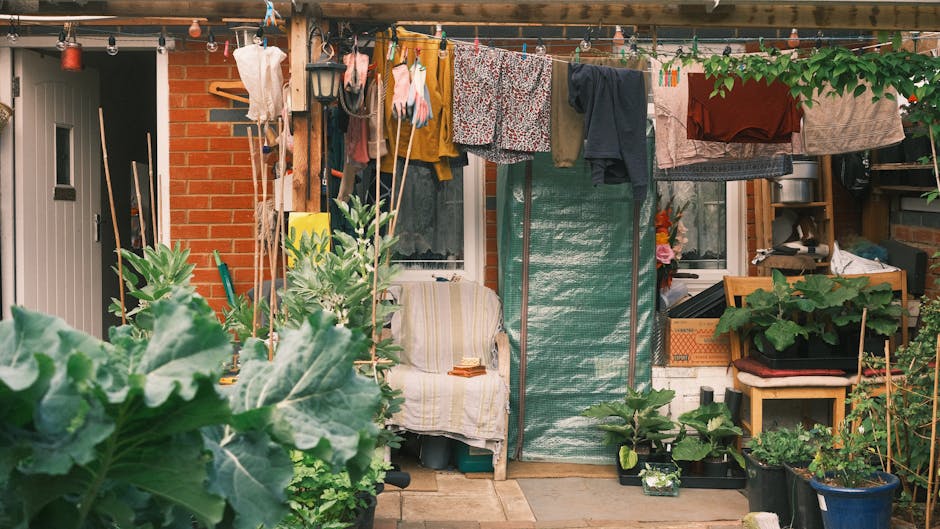
Hither Green gardeners for tricky access back gardens: practical help when access is awkward
If you have a back garden that feels like it was designed to make gardening difficult, you are not alone. Narrow side passages, steep steps, shared hallways, basement lightwells, tight gates, no direct rear access - all of it can turn a simple tidy-up into a bit of a puzzle. That is exactly where Hither Green gardeners for tricky access back gardens prove their value: they know how to work carefully, plan the route, protect your property, and still get the job done properly.
In Hither Green, homes often come with character, and character sometimes means awkward access. This guide explains how experienced gardeners handle those gardens, what to expect on the day, which services are most useful, and how to avoid the common mistakes that waste time, money, and patience. Truth be told, a good plan matters more than brute force.
Table of Contents
- Why awkward access matters in Hither Green gardens
- How the work is usually carried out
- Key benefits and practical advantages
- Who this is for and when it makes sense
- Step-by-step guidance
- Expert tips for better results
- Common mistakes to avoid
- Tools, resources and recommendations
- Law, compliance, standards, or best practice
- Options, methods, or comparison table
- Case study or real-world example
- Practical checklist
- Conclusion
- Frequently asked questions
Why Hither Green gardeners for tricky access back gardens Matters
Back gardens are meant to be enjoyed, but awkward access changes the whole job. A gardener cannot simply wheel in equipment, stack waste by the kerb, and move freely from front to back. Instead, every movement has to be thought through: where tools will enter, how waste will exit, whether surfaces need protecting, and how to avoid damaging fences, walls, doors, or paving.
That sounds obvious, but it is where many jobs go wrong. A standard lawn cut is one thing. Clearing an overgrown garden through a narrow passage while trying not to scrape freshly painted walls is another. If you have ever tried carrying a heavy bag of cuttings through a tight hallway, you know how quickly a tidy job can become a sweaty one. One awkward turn, and suddenly everyone is tiptoeing around the same pile of branches.
For homeowners, landlords, and property managers in Hither Green, the challenge is not only access. It is also timing, neighbour consideration, and keeping disruption low. The right gardener understands that a difficult layout needs a different approach, not just more effort.
There is also a design angle here. Gardens with difficult access often need maintenance strategies that reduce future labour. That might mean choosing lighter planting schemes, improving path widths where possible, or rethinking how waste-heavy features are managed. A good local team can help you see the garden not just as it is now, but as something that can be made easier to live with.
How Hither Green gardeners for tricky access back gardens Works
The process usually starts before anyone arrives with a mower or a rake. A sensible gardener will ask about the route into the garden, the size of gates, the number of steps, the condition of paths, and whether any communal spaces are involved. That early conversation saves a lot of back-and-forth later.
On site, the work is generally broken into small, manageable stages:
- Access check - confirming how tools, machinery, and green waste can be moved safely.
- Garden assessment - identifying overgrowth, trip hazards, fragile features, and anything that needs protective care.
- Method choice - deciding whether to use hand tools, compact machines, or a mixed approach.
- Containment and protection - covering floors, setting down boards if needed, and keeping passageways clean.
- Work execution - cutting, trimming, clearing, mowing, shaping, or dismantling in a controlled sequence.
- Waste handling - bagging, loading, and removing cuttings without leaving the place looking like a green confetti factory.
- Final tidy-up - sweeping, checking edges, and making sure the route in and out is left clean.
In many cases, the biggest difference is the choice of equipment. Compact, hand-held tools are often better than larger machinery when access is tight. That does not mean compromising on finish. It just means the work takes a more careful route. A neat secateur cut in a cramped border can matter more than any loud machine ever will.
Where the garden is severely overgrown or cluttered, a more phased approach may be best. For example, the first visit might focus on garden clearance, while a later visit turns to reshaping borders, repairing the lawn, or setting up a lighter maintenance routine. That approach is often kinder to the garden and much easier on your property.
Key Benefits and Practical Advantages
There is more to this than convenience. Working with experienced gardeners on a difficult-access garden can genuinely change how the space feels and how manageable it becomes.
- Less property disruption - careful movement reduces the risk of scuffed walls, muddy footprints, and broken fittings.
- Better planning - the job is approached as a whole, not just as a collection of isolated tasks.
- Safer working - fewer rushed lifts, fewer awkward carries, and less chance of slips.
- Cleaner outcomes - waste is removed methodically, not left in a heap because the exit route is awkward.
- More realistic maintenance - the garden is maintained in a way that suits its access limitations.
- Reduced stress for you - no need to figure out how to drag branches through a narrow house on a Tuesday afternoon.
Another practical benefit is consistency. When the same constraints exist every time the garden is serviced, a local team can build a repeatable routine around them. That often means quicker visits, fewer surprises, and better results over time.
And let's face it, if the garden has a long history of "we'll sort it later," getting a plan in place is usually the best feeling of all.
Who This Is For and When It Makes Sense
This kind of service is ideal if your garden access creates one or more of the following problems:
- a narrow side return or passage
- steps down to the garden
- no rear gate or service entrance
- shared access through a hallway, stairwell, or communal area
- tight corners that make standard tools awkward
- an overgrown garden that needs clearing before regular maintenance can begin
- a property where you want work done quietly and with minimum disruption
It also makes sense for people who value a clean handover. If you are preparing a property for sale, letting, renovation, or a family visit, a difficult access route should not stop the garden from looking presentable.
Landlords often find this especially useful. A garden may not be in catastrophic condition, but if access is awkward, the job can still be delayed. That is where a team that understands garden maintenance and access planning can keep things moving without fuss.
There is also a practical side for older homes, where mature hedging, mature trees, and layered planting can make access feel even tighter. In those cases, small changes in how the job is scheduled can save a lot of effort later.
Step-by-Step Guidance
If you are arranging work for a tricky-access garden, here is a sensible process to follow.
1. Describe the access honestly
Be specific. Mention gate width, steps, tight turns, basement access, shared hallways, or anything that could affect movement. "A bit narrow" is not enough. If a wheelbarrow will not fit, say so. It saves everyone time.
2. Share photos if possible
A few clear pictures help a gardener judge what equipment to bring and whether the work should be split into phases. Even a quick phone photo can be more helpful than a long explanation.
3. Define the outcome you want
Do you want a full clearance, a tidy-up, a lawn restore, hedge reshaping, or a longer-term maintenance plan? A clear brief helps avoid the classic "I thought you meant the whole lot" moment. We have all been there, or near enough.
4. Ask about the working method
For awkward access, ask how the team expects to move tools and waste. A good answer will sound calm and practical, not improvised. If they are planning a major job, they may suggest combining services such as landscaping with selective clearance to make the space more usable.
5. Prepare the access route
If you can, clear small obstacles from the hallway or side return before the visit. Move bicycles, bins, plant pots, loose rugs, and anything else that could snag equipment. That tiny bit of preparation can save a surprising amount of time.
6. Confirm waste removal and tidying
Ask how green waste will be handled. If the route is tight, waste might need to be bagged in smaller loads. That is normal. What matters is that the site is left tidy and the process is planned from the outset.
7. Set expectations for follow-up care
If the garden has been neglected for a while, one visit may not be enough. A realistic maintenance schedule can turn a hard-to-manage patch into something much simpler. For lawns, regular work through lawn mowing can help stop the space sliding backwards.
Expert Tips for Better Results
Good outcomes in tight-access gardens usually come from small, thoughtful choices. These are the ones that matter most.
- Work in sections - split the garden into manageable zones instead of treating it as one big push.
- Use lighter tools where appropriate - hand tools can be slower, but they are often safer and more precise in confined spaces.
- Keep waste moving - do not let cuttings pile up where they block the route.
- Protect the route in and out - especially if the passage includes painted surfaces, indoor flooring, or delicate paving.
- Cut back access blockers first - overhanging branches, self-seeded shrubs, and tangled climbers can make the whole job harder than it needs to be.
- Plan around weather - damp steps and muddy paths turn a difficult job into a slippery one. Not ideal, obviously.
One useful tip that often gets overlooked: ask the gardener what should be left in place for a later visit. In narrow gardens, stripping everything out in one go is not always the best answer. Sometimes keeping a stable shrub, boundary plant, or structural feature is what makes the garden feel balanced once the clutter is gone.
If there are hedges or boundary plants restricting the route, targeted shaping can make future access much easier. That is where hedge trimming becomes more than cosmetic; it is part of the access strategy.
Common Mistakes to Avoid
Awkward access gardens are unforgiving if the prep is poor. Here are the mistakes that tend to cause headaches.
- Underestimating the route - a job may look small, but if the exit is awkward, the time adds up quickly.
- Not mentioning the tight bits - if access involves steps, indoor carrying, or shared areas, say so early.
- Booking the wrong type of service - a simple tidy-up is not the same as a clearance or a more involved garden reset.
- Expecting heavy machinery to fit everywhere - sometimes it just will not. Forcing the issue can damage surfaces or waste time.
- Leaving clutter in the way - hoses, pots, tools, and garden furniture should be moved if possible.
- Skipping follow-up care - a hard-clearance job without maintenance can slide back very quickly.
There is also a mindset mistake: assuming a difficult-access garden will always be expensive or complicated. Not necessarily. Often the issue is not the size of the garden, but how the work is organised. That distinction matters.
Tools, Resources and Recommendations
For tricky access gardens, the right tools are usually more useful than the biggest tools. A professional team may use a mix of compact, portable equipment designed to move through narrow spaces without causing damage.
| Approach | Best for | Strengths | Limitations |
|---|---|---|---|
| Hand tools | Light pruning, edging, shaping, detail work | Precise, quiet, easy to carry through narrow access | Slower on large jobs |
| Compact powered tools | Routine mowing, hedge shaping, moderate clearance | Efficient while still manageable in tighter spaces | May need careful routing and setup |
| Phased clearance | Overgrown or cluttered gardens | Reduces congestion and makes waste handling easier | May need more than one visit |
| Combined maintenance plan | Gardens that keep getting out of hand | Helps prevent repeat overgrowth and access problems | Requires a bit of discipline, which, fair enough, is the hard bit |
In many cases, a measured approach works better than an all-at-once clean-up. If the garden includes mature planting, unstable boundaries, or woody growth that blocks movement, services like tree lopping and removal may be relevant, provided the work is suitable and safe. Likewise, if the whole garden needs a fresh start, a broader services overview can help you understand how different tasks fit together.
For people who care about the wider impact, it is also worth asking how waste is handled. Responsible disposal and recycling practices matter, especially after bigger clearances. If that is important to you, look for clear guidance on recycling and sustainability.
Law, Compliance, Standards, or Best Practice
With garden work, compliance is usually less about red tape and more about working carefully, legally, and respectfully. In the UK, anyone carrying out garden work should take sensible precautions around site safety, manual handling, access routes, and waste movement. If shared spaces are involved, the team should also be considerate of neighbours and common areas.
For homeowners, it is sensible to ask about insurance, especially where access is difficult or the work includes heavier tools. Reputable firms should be comfortable discussing public liability cover and general safety practices. You can also look for straightforward information on insurance and safety so you know how risk is managed.
Health and safety best practice matters in small spaces because small spaces magnify mistakes. A slipped step, a badly placed tool, or a rushed lift can cause disproportionate trouble. Good teams usually work slowly enough to stay safe without dragging the job out unnecessarily. That balance is the whole game.
If you are comparing providers, it is reasonable to ask how they manage:
- manual lifting and carrying through narrow access
- protection for floors, walls, and gates
- waste removal from confined routes
- site tidiness and trip hazard reduction
- working around neighbours, pets, and children
If you ever have concerns about how a job is handled, it helps to know the company has a clear route for handling issues. A published complaints procedure and transparent about us information are good signs that the business takes accountability seriously.
Options, Methods, or Comparison Table
There is no single right way to tackle a tricky-access back garden. The right method depends on the level of overgrowth, the route through the property, and your end goal.
| Method | Best choice when | Typical outcome | What to watch for |
|---|---|---|---|
| One-off tidy-up | The garden is manageable, but untidy | Quick visual improvement | May not solve underlying access or maintenance issues |
| Full clearance | The garden is heavily overgrown or cluttered | Space is reset and made usable again | More waste, more planning, and possibly more than one visit |
| Selective pruning and cutting back | You want to keep key plants but improve access | Better flow and easier movement | Needs a careful eye so the garden does not look stripped bare |
| Ongoing maintenance | You want to prevent the same problem recurring | The garden stays easier to manage | Requires regular visits, which is exactly the point |
For many Hither Green properties, the best answer is a combination. A clear-out first, then a light-touch maintenance rhythm afterwards. If decking, borders, or layout changes would make the garden easier to use, that may be worth exploring too, especially through decking services or broader landscape gardening.
Case Study or Real-World Example
Picture a back garden reached only through a narrow side passage and a small step down from the kitchen. The space itself is not huge, but after a few seasons of growth, the borders are congested, the lawn is patchy, and a couple of shrubs have pushed into the only sensible walkway. Nothing dramatic. Just one of those gardens that quietly gets harder to deal with every month.
The first priority is access. Rather than forcing a big machine through the tight route, the work starts with hand tools and careful clearing along the entrance. Waste is bagged in smaller loads. A few overhanging stems are cut back early so the route stays open. Then the main garden areas are tackled in a sequence that avoids constant back-and-forth.
What changes the experience most is not speed, but calm. The garden becomes easier to move through. The lawn can be mown properly. The hedge stops brushing shoulders on the way in. The whole place feels less cramped. A week later, even after rain, it still looks more intentional. That may sound minor, but in a tight urban garden, minor is often what makes the difference.
If the same garden had been left untouched after the first clear-up, it would likely have drifted back to the same point within a season. That is why follow-up maintenance is not a luxury. It is what keeps the access problem from returning.
Practical Checklist
Use this quick checklist before booking work for a tricky-access back garden:
- Measure or estimate the narrowest access point.
- Note any steps, turns, or shared hallways.
- Take a few photos of the garden and route in.
- Identify anything fragile that needs protecting.
- Decide whether you want clearance, maintenance, pruning, or a mix.
- Move loose items out of the route if possible.
- Ask how waste will be removed from the garden.
- Confirm whether the team can work quietly if needed.
- Check whether the provider explains safety and insurance clearly.
- Plan for follow-up if the garden has been neglected for a while.
Expert summary: The best results in difficult-access gardens come from careful planning, the right tools, and realistic expectations. Start with the route, not the plants. Once the access problem is understood, the rest becomes much easier to solve.
If you are weighing up what to do next, it can help to compare a one-off tidy-up with a more structured maintenance plan. For recurring issues, ongoing garden maintenance usually gives better value than repeatedly rescuing the garden from scratch.
Get a free quote today and see how much you can save.
Conclusion
Hither Green gardens with tricky access need more than enthusiasm. They need practical thinking, steady hands, and a plan that respects the layout of the property. Whether your garden is hidden behind a narrow passage, reached by steps, or awkwardly cut off from the street, the right approach can make it manageable again without damage or drama.
The good news is simple: awkward access does not mean an awkward outcome. With the right preparation, good communication, and a sensible maintenance plan, even a difficult back garden can become something you enjoy rather than avoid. And that, really, is the whole point.
Frequently Asked Questions
What makes a back garden "tricky access" in Hither Green?
Usually it means there is no easy route for tools, waste, or machinery. Common examples include narrow side passages, steps, shared entrances, tight hallways, and gardens only reachable through the house.
Can gardeners still work if the garden can only be reached through the house?
Yes, in many cases they can. The job just needs more care, better planning, and clear agreement about protecting floors, walls, and any indoor route used to move materials.
Do tricky-access gardens cost more to maintain?
Sometimes, but not always. The cost depends more on the time, effort, and waste handling involved than on the access issue alone. A small garden with awkward entry may still be straightforward once the process is planned properly.
What should I tell a gardener before they visit?
Tell them about gate widths, steps, side passages, indoor routes, overgrowth, and any obstacles. Photos help a lot too. The more honest the description, the better the quote and the smoother the visit.
Is a full clearance better than regular maintenance?
It depends on the state of the garden. If it is heavily overgrown, clearance can reset the space. If it is already manageable, ongoing maintenance is usually the better long-term choice.
Can large garden waste be removed through a narrow access route?
Often yes, but it may need to be bagged in smaller loads or moved in stages. A good gardener will plan waste removal around the route rather than forcing bulky waste through it.
What if my garden has hedges blocking the path?
That is common. Targeted hedge trimming can make access much easier and may also improve the shape and light in the garden. It is one of the first things worth addressing.
Will a gardener use heavy machinery in a tight space?
Not always. In confined gardens, lighter or hand-held tools may be safer and more practical. The goal is a neat result, not making the biggest machine fit just because it exists.
How do I know if a company is suitable for difficult-access work?
Look for clear questions during the enquiry stage, sensible safety talk, and a practical explanation of how they will handle access and waste. If they sound vague, that is usually a sign to keep looking.
Can tricky-access gardens still be improved without major redesign?
Absolutely. Sometimes small changes make a big difference: reducing overgrowth, opening narrow routes, simplifying planting, and keeping on top of mowing and cutting back. It does not always need a full makeover.
What services are most useful for these gardens?
It depends on the condition of the space, but garden clearance, hedge trimming, lawn mowing, and broader landscaping are often the most relevant starting points.
How often should a difficult-access garden be maintained?
That depends on the growth rate and how much use the garden gets. In practice, a regular maintenance rhythm is usually far easier than letting it get overgrown and then trying to rescue it later. Small, steady visits tend to win.